


Best Ways to Remove Wallpaper Glue can be frustrating if you’re staring at sticky walls after a wallpaper removal project. In this guide, you’ll find practical solutions, discover what really works, and avoid the pitfalls that leave walls damaged.
Key Takeaways
- Choose between DIY or commercial removers depending on glue thickness and wall type.
- Preserve your drywall and paint by following step-by-step removal techniques.
- Learn effective hacks that speed up cleanup and reduce mess.
- What Works: Why Wallpaper Glue Lingers
- Step-by-Step Guide
- Advanced Analysis & Common Pitfalls
- Conclusion
- FAQ
What Works: Why Wallpaper Glue Lingers
Wallpaper glue doesn’t simply wipe away. Adhesives can harden over time and even seeps into porous surfaces like drywall, or bond tightly with paint. Understanding why glue remains is the first step to choosing the right removal technique. Some glues are water-soluble, others need chemical softeners, and all require patience to remove without damage. Picking the right approach protects your walls and prevents time-consuming repairs.
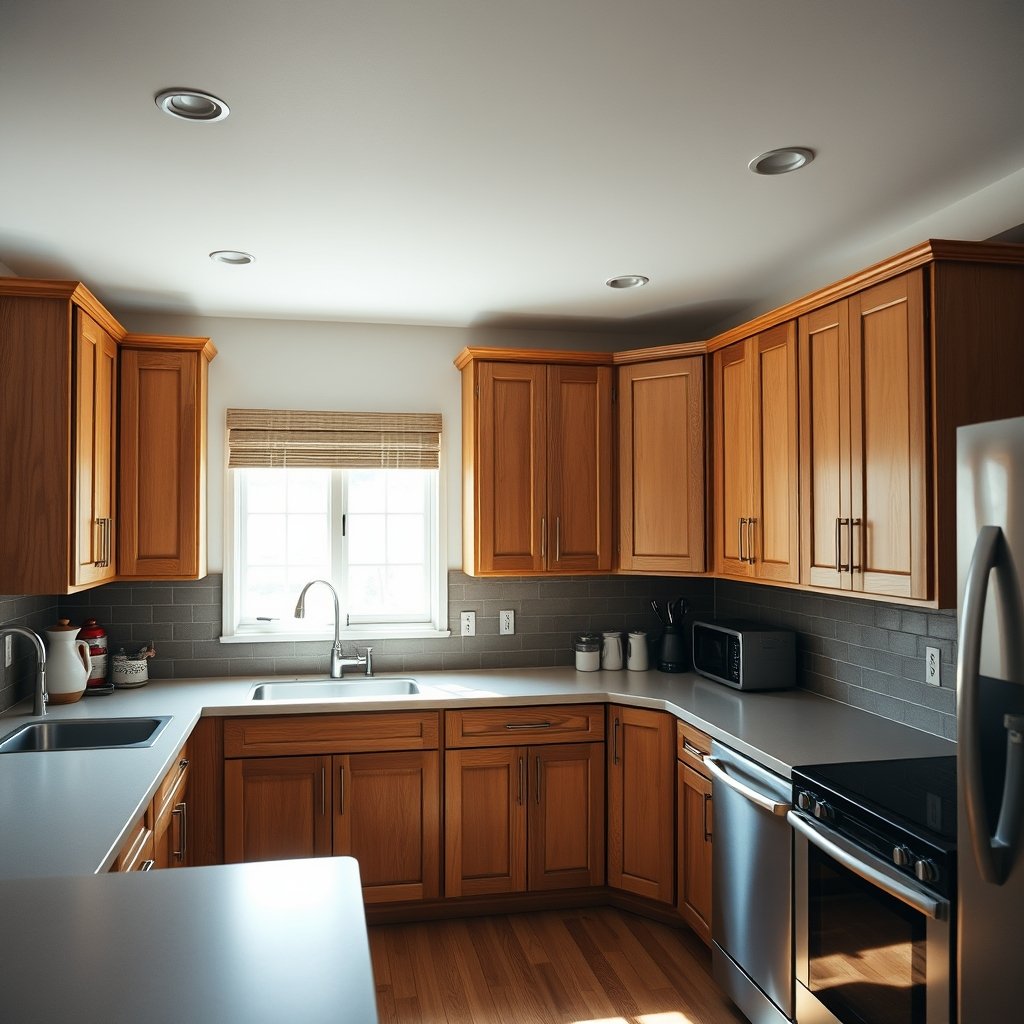
Step-by-Step Guide
Start by preparing the area: move furniture, lay down drop cloths, and gather your supplies. Here’s the process that gets the best results:
- Test a Corner. Moisten a small patch of glue residue with warm water. Wait two minutes, then scrape gently with a plastic putty knife. If glue comes up, your job is simpler.
- If Residue is Tough: Mix a solution of warm water and white vinegar (1:1) in a spray bottle. Mist the glue and let it sit for five minutes. For heavier glue, try a commercial wallpaper remover, carefully following instructions.
- Scrape, Don’t Gouge. Use a plastic scraper or old credit card. Metal tools can scratch paint or gouge drywall. Hold at a shallow angle and apply steady, gentle pressure.
- Rinse Often. Wipe the area with a clean sponge and warm water as you work. This picks up loosened glue before it can re-adhere.
- Repeat as Needed. Stubborn spots may need several passes. Persistence pays off—don’t over-saturate the wall, especially if you have drywall below.
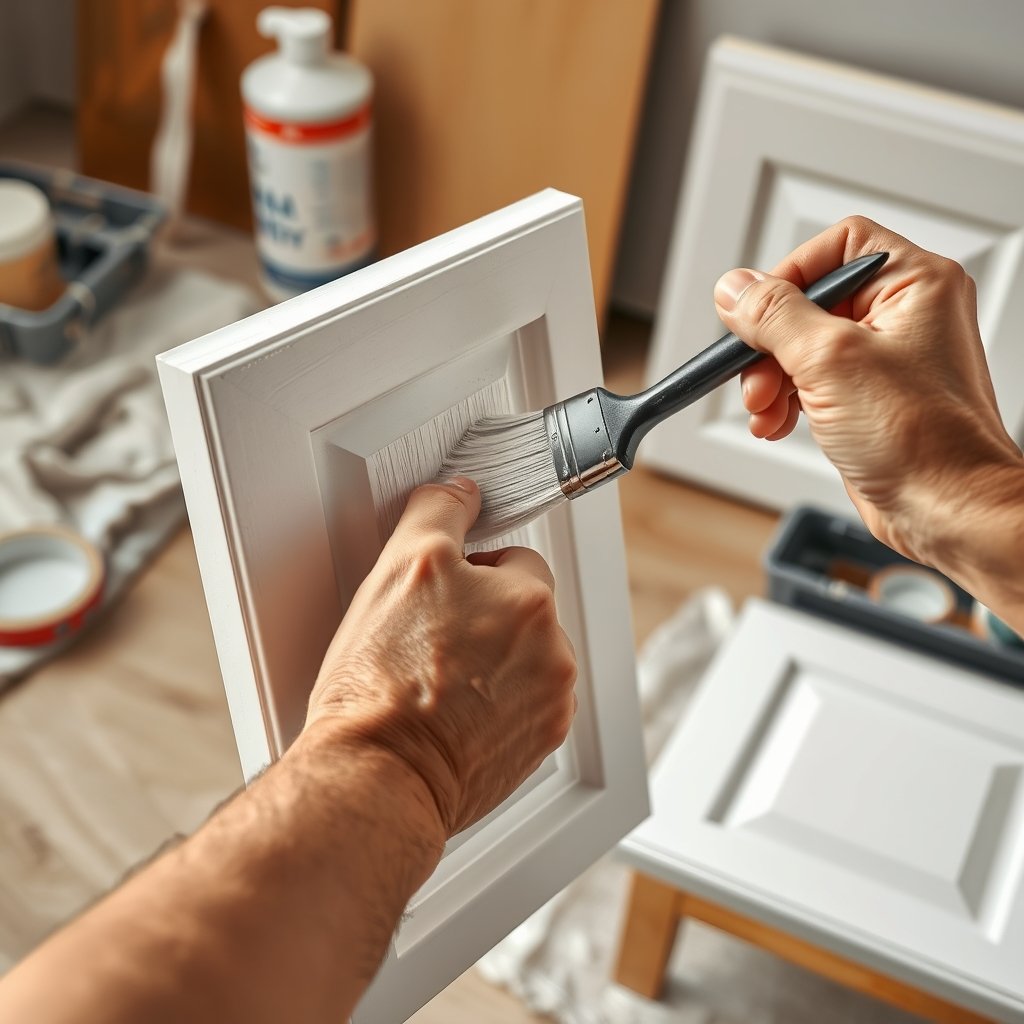
For detailed advice on protecting your kitchen walls and surfaces, check out these DIY kitchen backsplash ideas or read the full breakdown on kitchen remodel costs to avoid unexpected repair bills.
Advanced Analysis & Common Pitfalls
Removing wallpaper glue isn’t without risk. Here are problems many homeowners encounter, with tips to avoid damage:
| Method | Pros | Cons | Best For |
|---|---|---|---|
| Warm Water & Vinegar | Safe for walls, low cost | Slow on thick glue, repeated passes needed | Light, recent glue |
| Commercial Remover | Fast results, melts thick glue | Can discolor or damage paint, contains chemicals | Heavy or old residue |
| Steam Cleaner | Chemical-free, penetrates deeply | May loosen paint if overused, device needed | Large areas, sensitive spaces |
Many people damage their drywall by oversaturating the wall. As explained in our steam cleaning tips, always use the least amount of moisture required—wetting too much can lead to bubbling or warping.
Another frequent issue: excessive scraping. A sharp metal scraper digs into soft paint or drywall, creating repair work. Always start gentle and escalate only if glue resists.
For further tips, the peel and stick decor guide includes ideas for re-covering walls after removal projects, providing a low-commitment update for renters.
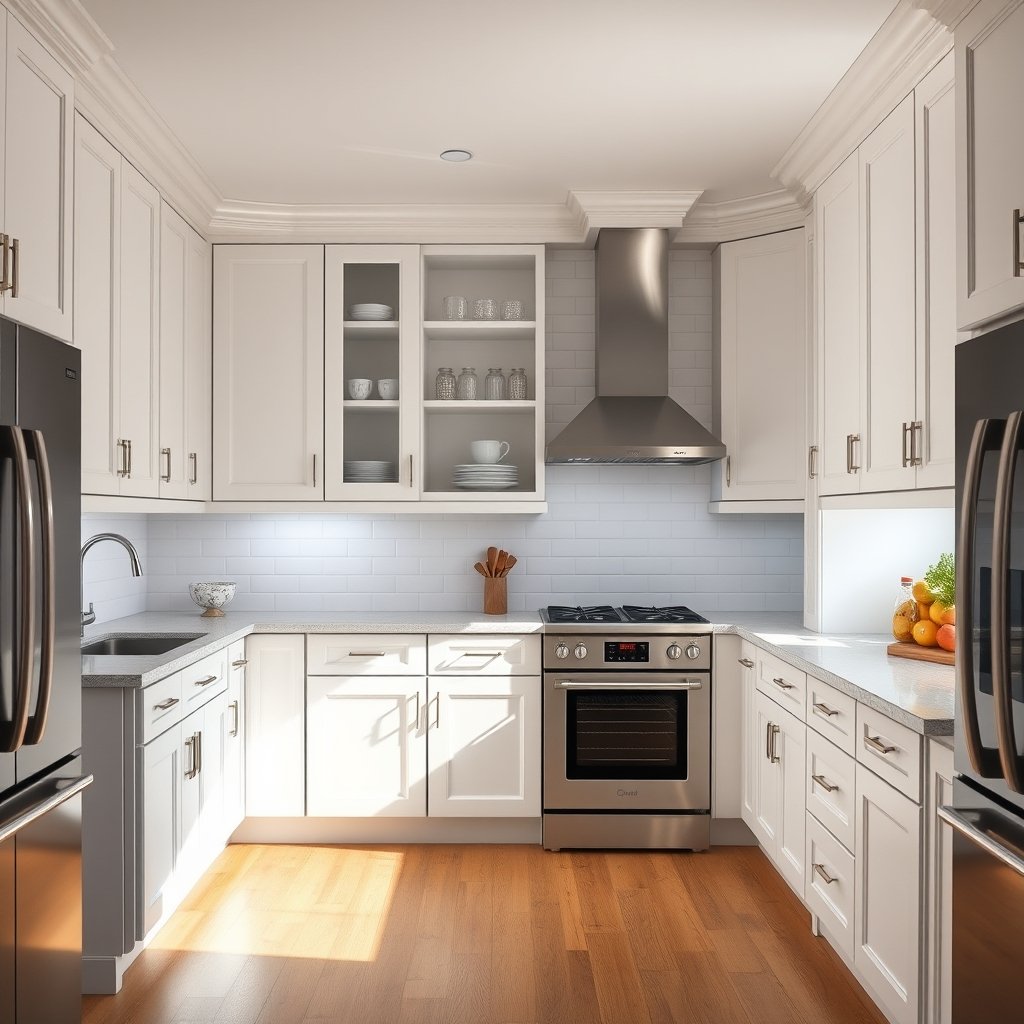
Conclusion
In the end, the Best Ways to Remove Wallpaper Glue focus on gentle, gradual cleaning, not brute force. Using the right materials and patience, you can leave your walls clean and damage-free. Ready to transform your home? Try these methods today, and if you want more cleaning hacks, browse our steam cleaner recommendations or compare affordable decor fixes on our Peel and Stick Decor Guide.
FAQ
What dissolves wallpaper glue best?
Warm water mixed with vinegar is effective for most wallpaper glues. For stubborn glue, use a commercial wallpaper remover as directed.
Can I use a steam cleaner to remove wallpaper glue?
Yes. A steam cleaner like the McCulloch MC1385 softens glue for easy scraping and is safe for most walls.
Will removing glue damage drywall or paint?
If you oversaturate the wall or scrape aggressively, you risk damage. Work slowly and use plastic tools whenever possible to prevent gouging or bubbling. For repair, check out this damage drywall or paint kit if needed.
How do I protect my floors during wallpaper glue removal?
Laying down plastic or canvas drop cloths protects your flooring from water, chemicals, and gooey residue.
Can I paint over leftover glue?
It’s not recommended. Paint applied over glue residue often peels or fails to stick. Always remove glue before repainting or redecorating.