


### Blog Post:
Peel and stick decor has gone from a niche trend to a mainstream design solution for renters who want serious style without putting their deposit at risk. Whether you dream of a bold accent wall or a room refresh, this guide lays out exactly how you can leverage today’s newest removable wallpaper tech—without fallout, sticky residue or landlord headaches.
Key Takeaways
- Peel and stick decor is surging in popularity among renters, but success depends on smart wall prep and removal.
- Manufacturers promise residue-free removal for up to five years, but real-world results depend on surface, humidity, and precise technique.
- Detailed prep, sampling, and understanding product safety claims minimize risks—and maximize your deposit return.
- Why peel and stick decor is the renter’s fastest route to big style
- Step-by-step guide: Wall prep, install, and safe removal
- Advanced analysis & common pitfalls (and how to avoid them)
- Conclusion: Get bold results, risk-free
- FAQs for renters on peel and stick decor
Why peel and stick decor is the renter’s fastest route to big style
Removable wallpaper for renters has exploded in popularity. The global removable wallpaper market reached nearly $2.9 billion in 2025, with adoption growing at over 10% per year—far faster than traditional wallpaper[1]. What’s driving this? More than a third of U.S. households now rent, with lease flexibility and easy move-outs as top priorities. Yet only about a third of renters were aware of peel and stick decor as a genuine, distinct upgrade in 2024.
Removable wallpaper for renters is designed to solve the top challenges of rental living: fast personalization, no-permanent changes, and proven clean removal. You’ll see more styles, colors, and durable finishes than ever before—whether you want subtle neutrals or bold pictorials.
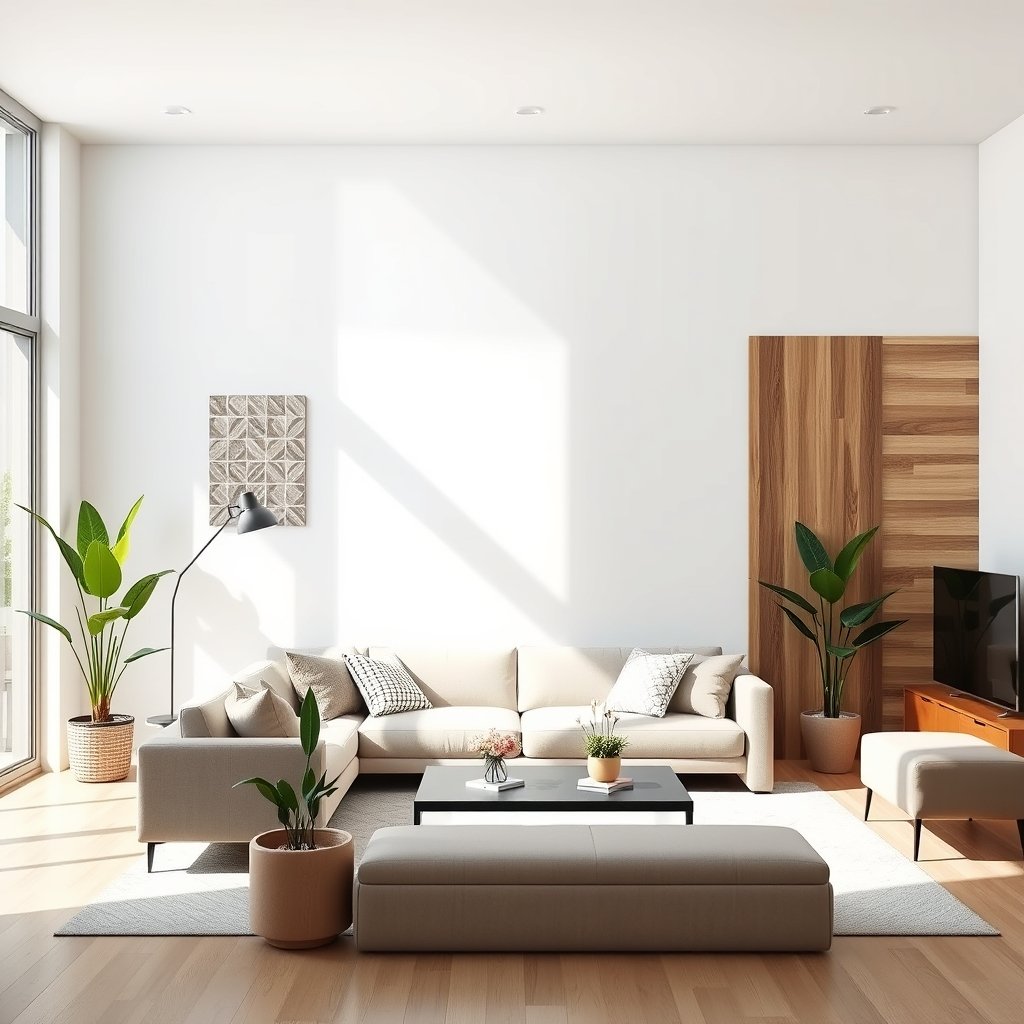
Major retailers report a 340% year-over-year increase in peel and stick wallpaper options. Direct-to-consumer brands are thriving, offering exclusive prints, try-before-you-commit subscriptions, and even AI-powered custom designs. With competitive pricing and renters representing 38% of global peel-and-stick consumption[4], your choices—and the tools to apply them safely—have never been better.
Step-by-step guide: Wall prep, install, and safe removal
Removable wallpaper for renters can truly be damage-free—but only if you prep and apply it right. Here’s a technician-level plan for results that impress (without putting your deposit at risk):
- Assess Your Walls
Check that your surfaces are clean, smooth, and fully cured (if painted). Avoid glossy, textured, or dirty walls, which undermine adhesion and can cause removal nightmares. - Wall Prep: The Most Skipped Step
– Wipe walls with a degreaser or gentle cleanser, then rinse and let dry.
– Lightly sand glossy patches or spackle/patch as needed.
– For freshly painted walls, allow at least 30 days cure time.
– Tape off trim, outlets, and neighboring walls. - Order Samples and Do a Test Patch
Always order a sample. Apply a small patch for 48 hours, remove, and inspect. If any paint or residue comes off, reassess your prep or product. - Measure and Lay Out
Map out your layout on the floor. Note repeats and alignment marks. - Install Carefully, Panel by Panel
Start at a straight edge. Peel the backing away slowly. Apply from top, smoothing with a squeegee or credit card, while a second person aligns the panels. Overlap or butt seams precisely. - Reposition—Don’t Stretch
Peel and stick panels can be repositioned—but always lift and smooth gently. Avoid tugging/stretching edges, which leads to bubbling or failure. - Safe Removal (when moving out)
– Heat with a hairdryer on low if needed.
– Peel very slowly at a low, flat angle.
– If you notice stickiness, use a residue remover approved for painted surfaces—or a micro-steamer like the McCulloch MC1385.
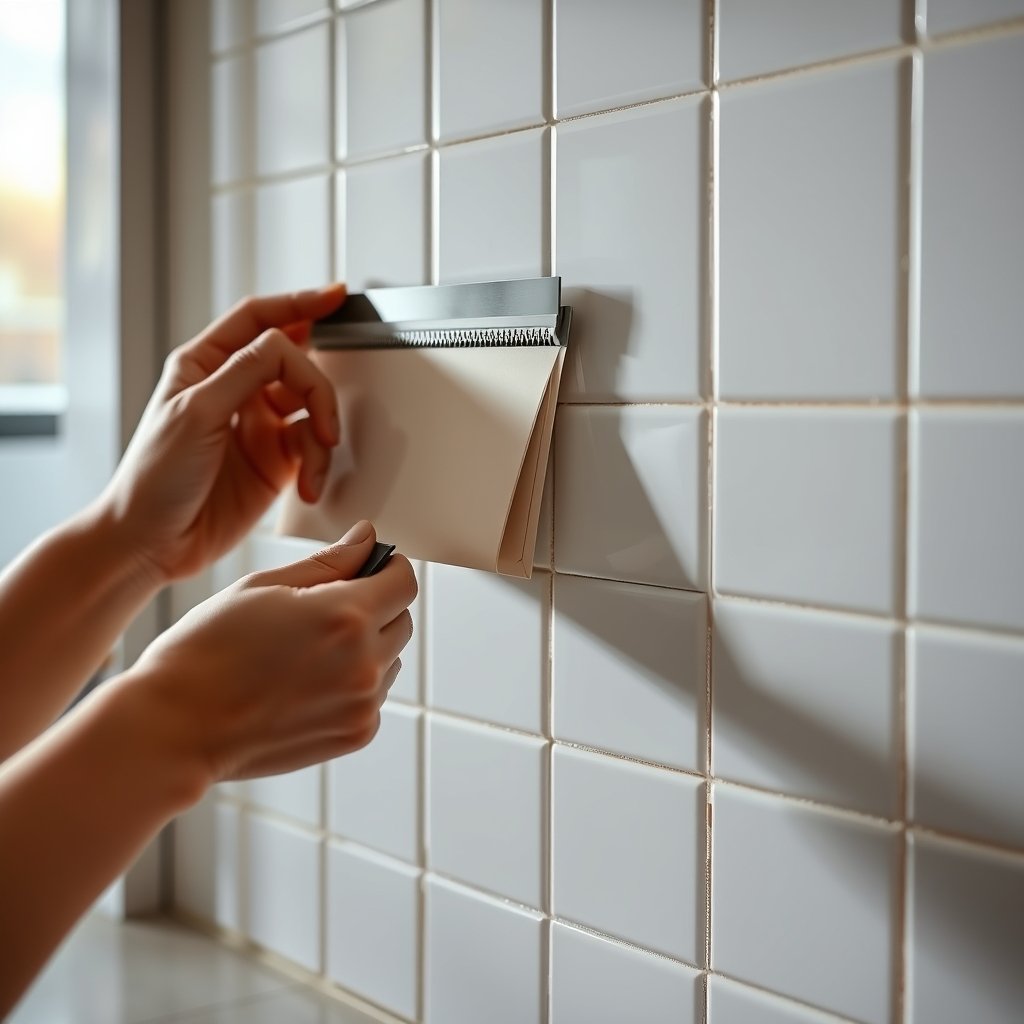
- Explore chemical-free steam cleaning for paint-safe adhesive removal
- Read a review of the McCulloch MC1385 Deluxe Canister Steam Cleaner
Advanced analysis & common pitfalls (and how to avoid them)
Removable wallpaper for renters has never been better engineered, but why do so many renters report issues? Let’s break down common problems and how to sidestep them.
| Problem | Root Cause | Deposit Risk? | How to Prevent |
|---|---|---|---|
| Adhesive won’t stick or fails early | Dirty wall, glossy paint, humidity, rough or textured surface | Low (usually won’t damage wall, but may sag) | Clean thoroughly, lightly sand glossy paint, only apply to cured, smooth surfaces |
| Adhesive bonds too tight (difficult removal) | Applied over freshly painted, unprimed, or porous surfaces; extended install (over 2 years) | High—can strip paint or leave marks | Wait 30+ days post-paint, use a primer, remove within 1–2 years |
| Edge lifting/bubbling | Humidity or temp swings, poor smoothing, or proximity to vents | Low to medium (unsightly, may attract attention at end of lease) | Control room climate, seal edges, use a smoothing tool, avoid installing near vents if possible |
| Sticky residue left behind | Overstayed dwell time, low-quality adhesive, rushed removal | Medium to high (clean-up or repaint costs) | Remove slowly, use approved adhesive removers, test sample patch before full install |
| Health/safety concerns (VOCs, phthalates) | No product disclosure or outdated manufacturing | Medium (especially with children or allergies) | Choose products with clear disclosures and certifications |
According to verified buyer reviews and leading consumer guides, the most frequent complaints boil down to overlooked wall prep, old paint layers, or misuse on bumpy/textured walls[9]. If humidity is high or you’ve skipped degreasing, expect edge lift and bubbling—or risk an ugly residue later. That’s why precise technique matters more than ever.
- Always document your wall’s “before and after” with timestamped photos for deposit protection
- Consider products with explicit renter-safe guarantees
Conclusion: Get bold results, risk-free
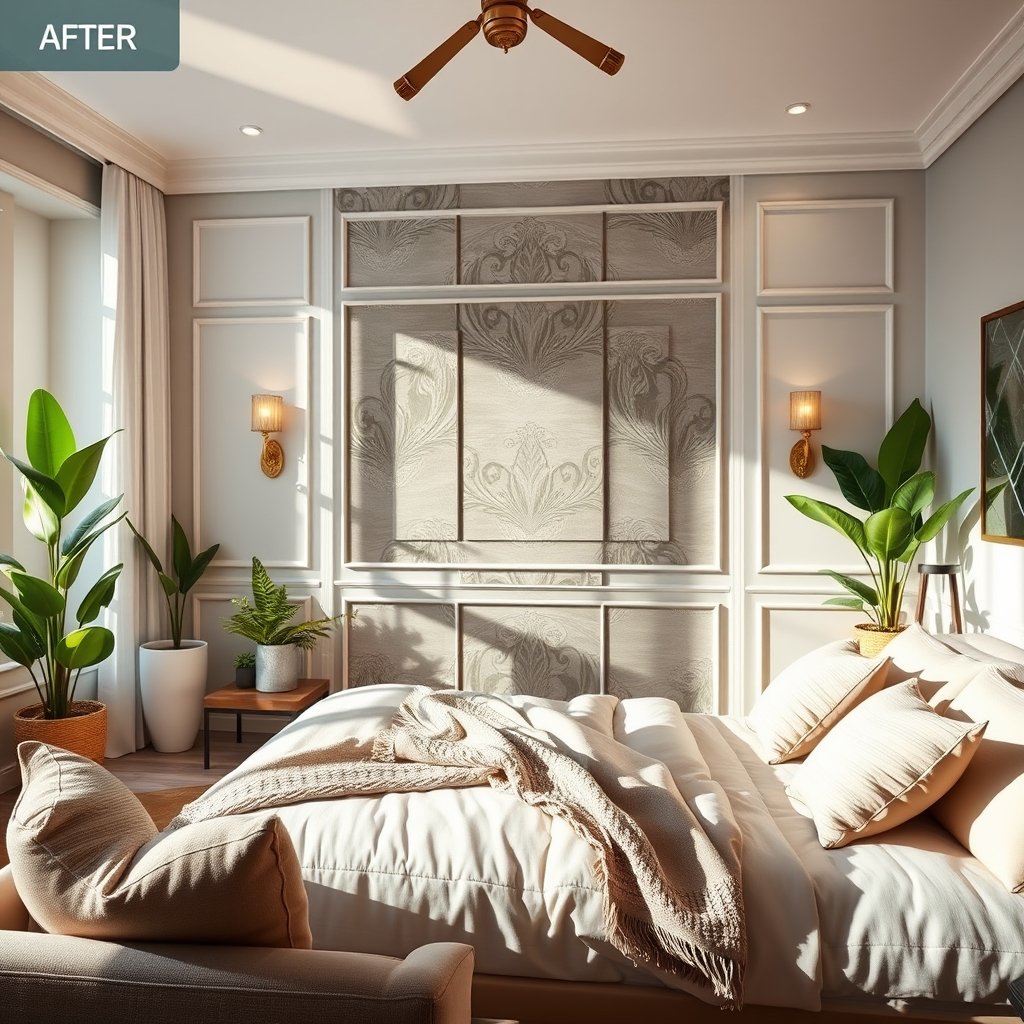
With smart surface prep, installation, and residue-removal protocols, you can use peel and stick decor for dramatic, personal impact—knowing you’re not gambling with your move-out deposit. Focus on high-quality brands that disclose adhesive chemistry, VOC/phthalate safety (vital for bedrooms and kids’ spaces), and provide renter guarantees. Order samples, test before committing, and photograph your process for deposit documentation. The rental-friendly peel and stick decor segment is booming, and there are more tested, stylish, dependable options than ever before. Ready to transform your space? Start small, get hands-on, and enjoy easy style minus the landlord stress.
Call to Action: Order a sample, set up a one-square-meter test patch, and snap ‘before’ photos—protecting your deposit doesn’t get any smarter.
FAQs for renters on peel and stick decor
Do I need my landlord’s permission to use removable wallpaper or peel and stick decor?
It depends on your lease. Most landlords accept temporary improvements if you remove them and repair any damage. Always check your agreement and get permission in writing if possible.
What surfaces work best for peel and stick decor?
Clean, smooth, well-cured painted drywall or plaster is best. Stay away from textured, rough, or glossy surfaces and never apply to dirty walls or fresh paint (wait at least 30 days).
Will peel and stick wallpaper really come off cleanly after years?
Manufacturers design it for clean removal up to five years, but longer installs raise risk of stuck residue or paint damage. If you’ll be in place for over two years, plan to test removal on a hidden spot first.
What do I do if paint comes off during removal?
Stop immediately. Use a hairdryer or steamer to soften adhesive. If damage is small, patch and repaint; for larger issues, notify your landlord early. Document everything.
Are there health/safety concerns with peel and stick wallpaper?
Yes—some wallpapers emit VOCs or contain phthalates. Always check for “low-VOC” or certified non-toxic products, especially for bedrooms or children’s rooms.
—