


### Blog Post:
Peel and stick decor is changing the way people decorate, delivering quick style updates without the headache of paint or tools. This guide covers everything you need to know to make peel and stick decor work in your space—without glossing over the real challenges these products sometimes present.
Key Takeaways
- Peel and stick decor is a fast, renter-friendly way to refresh any room—no tools or paint needed.
- Surface prep, product quality, and installation technique matter as much as the style you choose.
- Common pitfalls like peeling, bubbling, or wall damage are avoidable with the right approach and honest planning.
The Core Concept
Peel and stick decor refers to removable wall decals, tiles, wallpapers, and other self-adhesive design solutions. The appeal is clear: little to no mess, no construction skills needed, and the power to completely transform a space for a fraction of the cost of traditional renovations.
This approach works well for renters or anyone who wants to experiment with trends that might not last forever. It also helps those whose design tastes change faster than their leases. But it’s more than convenience—in some cases, peel and stick products can save big on time, money, and repair work when you move out.

There’s more variety than meets the eye. Options range from geometric patterns and faux wood to intricate murals and 3D tiles. For a start-to-finish transformation, it’s crucial to understand surface compatibility, proper installation, and reliable brands. For broader inspiration, check out our removable wallpaper ideas for a variety of design tips tailored for modern interiors.
If you want something less permanent than paint but more impressive than temporary posters, peel and stick decor is worth a close look. To get results that stick—literally—read on for every step, pitfall, and secret we’ve learned from deep research and hands-on use.
Step-by-Step Guide
Getting peel and stick decor right is all about prep, patience, and the right materials. Follow these realistic steps to get the best result:
- Check Your Walls or Surfaces:
Peel and stick decor adheres best to smooth, clean, dry surfaces. Thoroughly clean and dry surface. Wipe down walls and let them dry for at least an hour. Avoid textured, rough, or freshly painted surfaces—wait 2-3 weeks after painting. Signs of dirt, dust, or even slight grease can lead to peeling.
For more prepping tips, see our guide on wall preparation tips before applying temporary decor. - Measure—Then Measure Again:
Accurate measurements are non-negotiable. Mark corners and layout areas with painter’s tape. This prevents costly mistakes or waste when cutting large sections.
- Start from the Top, Go Slow:
Peel just a few inches of the backing at a time. Line up the starting edge and press gently. Smooth as you go, pressing air outward. Don’t rush—errors multiply quickly the longer the run.
- Smooth and Adjust:
Use your smoothing tool—either the manufacturer’s or the credit card hack from above. Pull back and reapply if things go off-track. If you see air bubbles, gently lift and reseat the area.
- Trim the Edges:
Once the main piece is smoothed down, use a sharp utility knife to trim the edges along baseboards or moldings for a crisp, professional look.
- Mistakes? Don’t Panic:
Most quality peel and stick products allow gentle repositioning for the first few minutes. If it tears or stretches, cut a new piece. Small flaws can sometimes be covered with furniture or smaller decals.
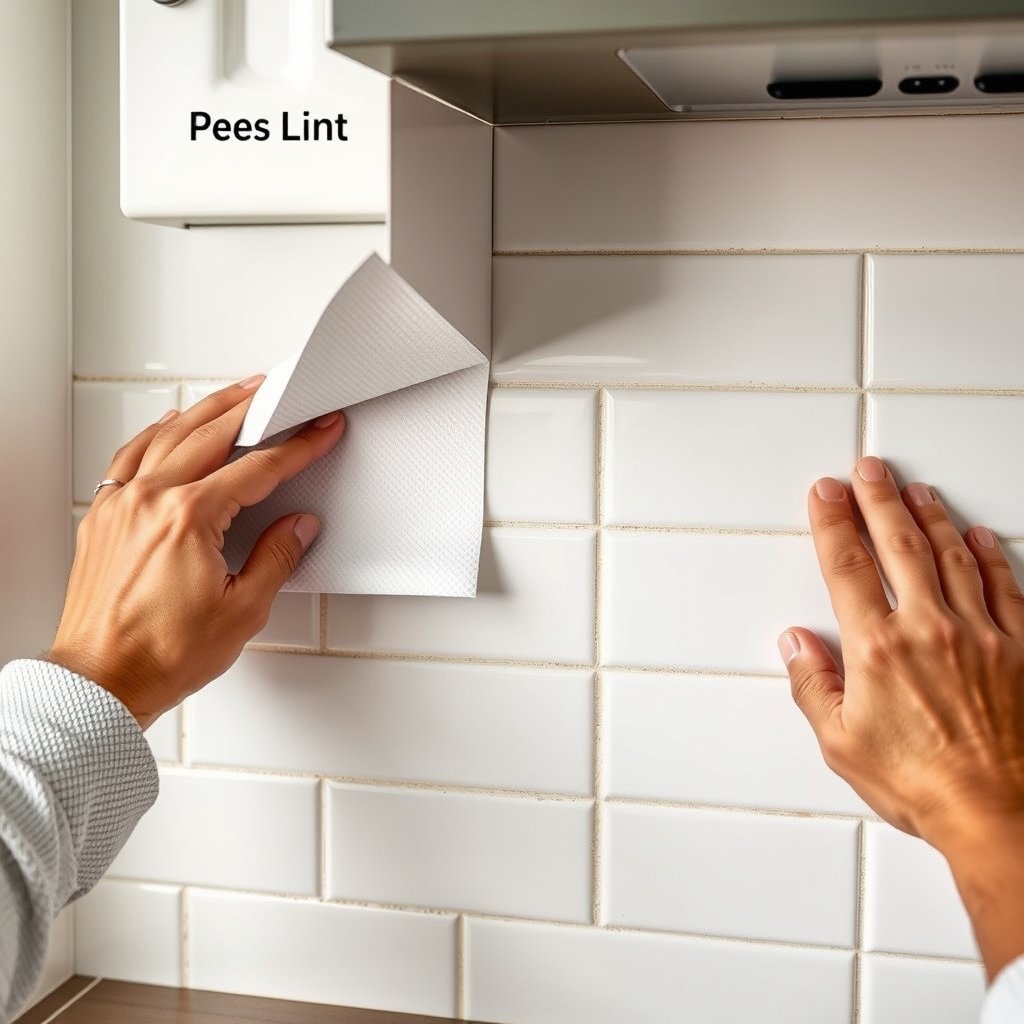
Finally, stand back and inspect the full application. Look for raised edges or corners—these are red flags for future peeling. Press them again firmly or slot in an extra overlap if needed.
If you want to see more creative applications (like using these products for backsplashes or furniture makeovers), don’t miss our advice on temporary kitchen upgrades or the DIY decor projects hub for step-by-step visuals.
Advanced Analysis & Common Pitfalls
Peel and stick decor seems easy, but real-life results depend on details most people miss. Here are the most common issues users face, with realistic ways to avoid disappointment:
| Problem | Why it Happens | How to Avoid |
|---|---|---|
| Bubbling & Wrinkles | Improper smoothing or applying over dust/oil. | Thoroughly clean and dry surface; use smoothing tool during install. |
| Peeling Edges | Low-quality adhesive, rough/porous wall, or high humidity. | Test with a small sample first; only use on finished, flat surfaces. |
| Stretched or Torn Material | Pulling too hard during alignment. | Handle gently; if stretched, discard piece and cut a fresh one. |
| Wall Damage On Removal | Old paint or low-quality wallpapers may pull away with adhesive. | Warm with a hairdryer before removal to soften glue; pull slowly at a sharp angle. |
| Misaligned Patterns | Relying only on eye instead of level or marking tools. | Pre-measure and use guides; dry fit before final application. |
Many expert reviews, such as those found at Architectural Digest, emphasize the importance of testing a small patch before covering an entire wall. Some brands handle humidity or imperfect surfaces better than others; research your product, and don’t assume all peel and stick decor is equal.
It’s also important to note: not all products are “truly” removable, regardless of what marketing claims say. If you’re in a strict rental, check your lease and see our article on renter-safe decorating for more tips on safe removal and what to do in case of light damage.
For nuanced comparisons, consider reading guides from established DIY authorities like House Beautiful or this detailed review from Wirecutter, both of which provide brand roundups and user-tested advice.
Conclusion
Peel and stick decor gives you instant style updates with very little commitment or mess. Just remember: careful prep, attention to quality, and realistic expectations are key to avoiding damage or disappointment. The right product applied the right way can transform your space and still leave your walls spotless when you’re ready for a change.
Ready to refresh your room’s look? Explore our best peel and stick wallpapers selection, and let us know your best peel and stick decor success stories—or headaches—in the comments. Whether you’re a renter or just a trend-chaser, there’s a peel and stick solution for almost any decor challenge.
FAQ
Will peel and stick decor damage my walls?
Most high-quality peel and stick decor is designed to be removable without damage. However, problems may occur with old or poorly painted surfaces, or with cheap adhesive backing. Always test on a small, hidden area first.
Can I use peel and stick decor in kitchens or bathrooms?
Yes, but humidity and temperature changes can affect adhesion. Look for products labeled moisture-resistant, and keep direct water contact to a minimum.
How long does peel and stick decor last?
Lifespan varies. Good-quality materials can last several years in a low-humidity environment. Poor surface prep or low-grade products may start peeling within months.
What if my peel and stick decor starts to peel?
Press down with a smooth tool and check for dust or moisture underneath. If corners persistently peel, you may need to trim or replace the affected section.
Are peel and stick products safe for kids’ rooms?
Generally, yes—especially when certified non-toxic. Double-check for choking hazards if using small decals, and avoid placement near cribs or beds for safety.